
DJI Drone Ban Concerns | Understand the Future of DJI Drones
Introduction
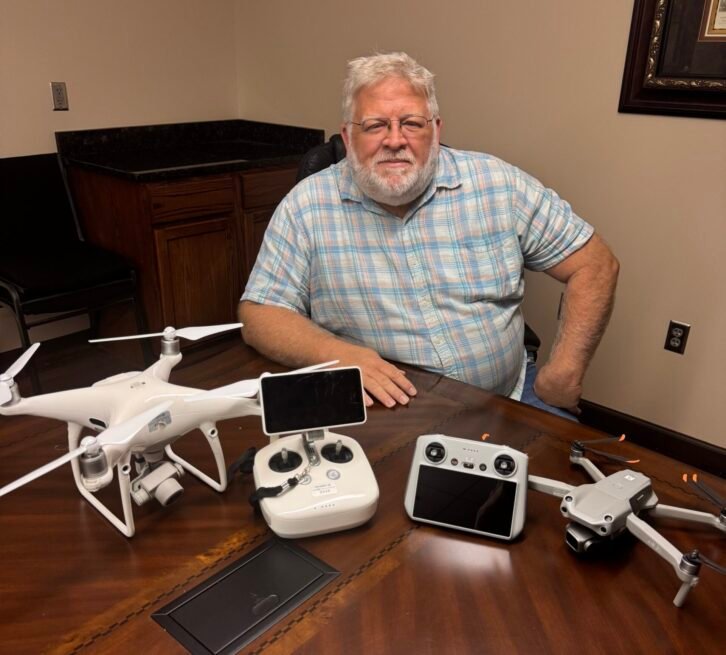
DJI drone ban concerns have become a major topic in the global drone industry, particularly in the United States, where national security, data privacy, and technology supply chains have attracted growing attention. DJI, one of the world’s best-known drone manufacturers, produces drones used by photographers, filmmakers, farmers, emergency responders, construction companies, and hobbyists. However, concerns about foreign-made technology have led to regulatory actions that could affect the company’s future operations in the US market.
The debate is not limited to whether DJI drones are safe to fly. It also involves questions about who can access drone data, how software communicates with external servers, and whether dependence on foreign manufacturers creates long-term security risks. At the same time, professional drone operators are concerned about equipment costs, business disruptions, and the availability of alternative products.
In December 2025, the US Federal Communications Commission (FCC) added foreign-produced drones and certain critical components to its Covered List, restricting new equipment authorizations. Subsequent exemptions and regulatory developments have made the situation more complex.
Understanding these concerns can help drone owners, businesses, and technology enthusiasts distinguish between existing restrictions, potential risks, and the practical effects of the evolving regulatory environment.
What Are DJI Drone Ban Concerns?
DJI drone ban concerns refer to the national security, cybersecurity, privacy, economic, and regulatory issues associated with the use and importation of DJI drones, especially in the United States.
The primary concerns raised by US officials include the possibility of sensitive information being accessed by foreign entities, cybersecurity vulnerabilities, dependence on overseas manufacturing, and the potential misuse of drone technology.
These concerns have contributed to government actions targeting certain foreign-made drones. However, a restriction on new equipment authorization is not the same as a complete ban on owning or operating previously approved drones.
For existing DJI users, this distinction is particularly important. The regulatory debate largely concerns new products, future imports, and the security of the broader drone supply chain rather than an automatic prohibition on every DJI drone already in use.
Why Is the US Concerned About DJI Drones?
The US debate over DJI drones involves several interconnected issues. Government officials have highlighted national security and supply-chain risks, while DJI has challenged aspects of the security rationale behind restrictions.

1. National Security Risks
One of the central DJI drone ban concerns is national security. Drones can collect detailed information about locations, infrastructure, industrial facilities, and public events. Their cameras, sensors, navigation systems, and communication technologies make them useful for both civilian and government applications.
US officials have raised concerns that data collected by foreign-manufactured drones could potentially be accessed by entities outside the United States. Such information could be sensitive when it relates to military facilities, critical infrastructure, emergency response operations, or government property.
The US government has also identified foreign supply-chain dependence as a strategic concern, arguing that relying on overseas drone manufacturers could create vulnerabilities during a national emergency or international conflict.
These are government-identified risks and policy concerns. They should be distinguished from proof that a particular DJI drone has been used to conduct unauthorized surveillance.
2. Data Privacy and Information Collection
Privacy is another major issue in discussions about DJI drone restrictions.
Modern drones can collect different types of information, including:
- Aerial photographs and high-resolution video
- GPS coordinates and flight paths
- Information about nearby buildings and infrastructure
- Flight logs and device information
- Operational data transmitted through connected applications
The collection of this information is not unique to DJI. Many modern drones rely on similar technologies to support navigation, flight management, mapping, and remote control.
The concern raised by US policymakers is whether sensitive data could be transmitted, stored, or accessed in ways that drone operators cannot fully control.
DJI has disputed the security allegations and has pointed to independent cybersecurity assessments. In June 2026, DJI submitted a US-based cybersecurity firm’s assessment that reported no evidence of hidden backdoors or data transmission outside the US in the specific drone systems tested. The assessment was limited to the products and systems examined and does not independently establish the security of every DJI product or every possible use case.
3. Cybersecurity Vulnerabilities
Cybersecurity is a significant consideration because drones depend on software, wireless communication, mobile applications, and firmware.
Potential vulnerabilities in any drone system may include:
- Unauthorized access to connected accounts
- Weaknesses in wireless communication
- Unpatched software vulnerabilities
- Exposure of sensitive flight records
- Unauthorized access to connected devices or networks
These are general cybersecurity risks that can affect drones from different manufacturers. They do not automatically indicate that a specific DJI model contains these vulnerabilities.
Government concerns focus partly on whether foreign-made drone systems could introduce risks that are difficult to identify or mitigate through conventional cybersecurity measures.
DJI has argued that its products should be assessed using transparent, evidence-based security testing. The debate therefore includes not only whether vulnerabilities could exist, but also how governments should evaluate them and what level of publicly available evidence is appropriate.
4. Dependence on Foreign Drone Manufacturers
Another important aspect of DJI drone ban concerns is the US dependence on foreign drone technology.
DJI has a substantial presence in the commercial and consumer drone market. Many organizations have built their operations around its products, accessories, software, and established workflows.
Government officials have argued that dependence on foreign-made drones and components could create supply-chain risks, especially if international trade restrictions or geopolitical tensions disrupt availability.
The US administration has also emphasized expanding domestic manufacturing capacity to strengthen the national drone industry. Its August 2026 policy announcement introduced tariffs on specified imported drones and components as part of a wider effort to encourage domestic production.
However, shifting production to alternative manufacturers can involve substantial costs, technical adjustments, training, and changes to established business processes.
Is DJI Actually Banned in the United States?
Important distinction
The term DJI drone ban can be misleading because it may refer to different restrictions.
The FCC’s December 22, 2025, action added foreign-produced unmanned aircraft systems and certain critical components to its Covered List. The restrictions generally affect new equipment authorizations, which can prevent new models from obtaining the approvals needed for importation and sale in the US. They do not automatically prohibit people from continuing to use previously authorized drones.
In January 2026, the FCC also announced exemptions for certain categories of drones and components until January 1, 2027, following a further national security determination. DJI subsequently filed a petition seeking reconsideration of its designation.
| Issue | What the restrictions mean |
|---|---|
| Existing, previously authorized DJI drones | Not automatically prohibited from use |
| Ownership of lawfully obtained drones | Not automatically illegal |
| New DJI models | May face restrictions on FCC authorization |
| Imports and new product launches | May be affected by applicable authorization rules and exemptions |
| Recreational drone flights | Continue to be subject to applicable FAA rules |
| Commercial drone operations | Must continue to comply with applicable aviation and operational regulations |
The exact impact depends on the model, its authorization status, applicable exemptions, and any subsequent regulatory changes. The FCC’s equipment rules should also be distinguished from the FAA’s separate rules governing flight operations.
How Could DJI Drone Restrictions Affect Drone Owners?
DJI drone ban concerns extend beyond manufacturers and government agencies. They can also affect individuals and organizations that rely on drones for everyday activities.

1. Higher Equipment Costs
Restrictions on new models and changes to import policies can affect product availability and market competition. If fewer models are available, consumers may have fewer options when purchasing new equipment.
Businesses that need specialized drones may also face higher costs when switching to alternative platforms, replacing accessories, or upgrading their existing equipment.
2. Limited Access to New Technology
Drone technology continues to develop, with improvements in camera quality, flight endurance, obstacle avoidance, autonomous navigation, and mapping capabilities.
Restrictions on new product authorizations could limit access to certain future DJI models in the US. This may be particularly relevant to professionals who depend on newer hardware for specialized work.
3. Business Disruptions
Many small businesses have invested in DJI equipment because of its integration with existing software, accessories, and operating procedures.
Potential disruptions may affect:
- Real estate photography and videography
- Agricultural monitoring and crop analysis
- Construction site inspections
- Infrastructure mapping
- Industrial inspections
- Film production and aerial photography
Switching to a different drone ecosystem may require new equipment, staff training, software integration, and revised operating procedures.
The potential effects on businesses and public safety organizations have been part of the public debate over the restrictions.
4. Maintenance and Replacement Challenges
Drone owners may also be concerned about access to replacement batteries, motors, controllers, cameras, and other components.
The availability of these products depends on the specific model, existing inventory, applicable import rules, and future regulatory decisions.
Owners should therefore consider equipment support and repair availability when planning long-term drone operations rather than assuming that all existing products will immediately become unusable.
How Could DJI Restrictions Affect Different Industries?
Agriculture
Agricultural drones can support crop monitoring, field mapping, irrigation planning, and other precision farming activities.
If suitable drone models become less accessible, farmers may need to consider alternative equipment and software. This could introduce additional costs, especially for operations that already depend on established drone-based workflows.
Public Safety and Emergency Response
Emergency response organizations use drones to assess dangerous locations, search for missing people, monitor incidents, and provide aerial information to emergency personnel.
Restrictions that affect access to replacement equipment or future models could require agencies to review their equipment plans, training, and procurement processes.
However, the impact will vary according to each organization’s existing equipment, procurement rules, and available alternatives.
Construction and Infrastructure
Construction companies use drones to create aerial maps, monitor project progress, inspect structures, and document sites.
Changes in drone availability may affect equipment replacement and long-term technology planning. Businesses may also need to evaluate whether alternative platforms support their existing mapping and data-processing tools.
Photography and Filmmaking
DJI drones are used by professional photographers, content creators, filmmakers, and independent video producers.
For these users, important considerations include camera performance, flight stability, portability, battery life, and compatibility with existing equipment.
Restrictions on certain new models could influence purchasing decisions, particularly for creators who need specific camera or flight features.
What Does DJI Say About the Ban Concerns?
DJI has challenged the restrictions and questioned the evidence used to support the national security concerns.
The company has emphasized its cybersecurity practices and has presented independent security assessments to support its position. In June 2026, DJI submitted an assessment conducted by the US-based cybersecurity firm OnDefend, which reported no evidence of hidden backdoors, unauthorized overseas data transmission, or viable pathways for hijacking in the specific systems tested.
However, the existence of a cybersecurity assessment does not resolve every issue raised by policymakers. National security concerns may also involve supply-chain resilience, manufacturing dependence, and geopolitical considerations that are broader than the technical security of an individual drone.
The disagreement illustrates the distinction between product-level cybersecurity testing and broader government assessments of strategic risk.
What Can DJI Drone Owners Do?
Drone owners can take several practical steps to prepare for regulatory and market changes.
- Check the status of your drone: Confirm your model’s authorization status and whether any applicable restrictions or exemptions affect it.
- Follow official updates: Monitor announcements from the FCC, FAA, and other relevant authorities for changes to equipment authorization and flight requirements.
- Maintain your existing equipment: Follow the manufacturer’s instructions for battery care, firmware updates, maintenance, and safe storage.
- Protect sensitive data: Review application permissions, account security, data-sharing settings, and the storage of sensitive flight information.
- Evaluate alternative platforms: If you use drones for business, compare alternative products based on performance, software compatibility, maintenance, and total ownership costs.
- Plan for replacement needs: Consider spare parts, batteries, repair services, and equipment availability as part of your long-term operating budget.
In the United States, operators must continue to follow applicable FAA requirements regardless of whether their drone is affected by an equipment authorization restriction. These may include registration, airspace authorization, and operational safety requirements.
DJI Drone Ban Concerns Outside the United States
Although the US has been a major focus of the DJI drone debate, the regulatory situation is not identical in every country.
Different governments have their own policies concerning drone imports, data protection, public-sector procurement, airspace safety, and national security.
A restriction on government agencies using particular drones does not necessarily mean that private citizens are prohibited from owning or operating them. Similarly, US equipment authorization rules do not automatically apply to other countries.
Drone owners outside the United States should check the requirements of their local aviation authorities, customs agencies, and relevant government departments before purchasing or importing equipment.
For international businesses, understanding these differences is especially important when operating across multiple markets.
What Is the Future of DJI Drones?
The future of DJI drones in the United States will depend on regulatory decisions, national security assessments, potential exemptions, trade policies, and the outcome of ongoing challenges to the restrictions.
The August 2026 US policy announcement introduced additional tariffs on specified imported drones and components, alongside measures intended to encourage domestic manufacturing. These measures add another dimension to the regulatory environment beyond FCC equipment authorization.
- Regulatory reviews: Further decisions could clarify which products and components can receive authorizations or qualify for exemptions.
- Cybersecurity assessments: Independent testing and technical evidence may continue to feature in the discussion about drone security.
- Domestic manufacturing: Investment in US-based production could expand the range of locally manufactured drones over time.
- Alternative manufacturers: Businesses may evaluate other drone platforms to meet their operational requirements.
- Industry adaptation: Manufacturers, software developers, and drone operators may need to adapt to changing equipment and supply-chain conditions.
These developments do not establish a particular outcome for DJI. The company’s future market access will depend on applicable government decisions and the conditions attached to any future approvals or exemptions.
SpaceX Verizon Acquisition Speculation: What the Rumors Really Mean
(FAQs)
1. Why are DJI drones facing restrictions in the US?
DJI drones are affected by US restrictions related to national security, cybersecurity, foreign supply-chain dependence, and the potential exposure of sensitive information. These concerns contributed to the FCC’s decision to add foreign-produced drones and certain components to its Covered List.
2. Are DJI drones illegal to own in the United States?
No, the FCC’s equipment authorization restrictions do not automatically make previously authorized DJI drones illegal to own. Existing owners can generally continue using their lawfully obtained drones, subject to applicable aviation and other regulations.
3. Can people still fly their existing DJI drones?
Previously authorized DJI drones are not automatically grounded by the FCC’s Covered List action. Operators must still follow applicable FAA flight rules, including airspace restrictions and relevant operational requirements.
4. Are DJI drones a proven cybersecurity threat?
Government agencies have raised national security and cybersecurity concerns about foreign-made drones. DJI has disputed these concerns and submitted independent cybersecurity findings that reported no evidence of certain vulnerabilities in the systems tested. These findings are specific to the assessment and do not establish that every DJI product is free of security risks.
5. Will DJI release new drones in the US?
Future availability depends on applicable FCC authorization requirements, exemptions, and other import rules. Restrictions may prevent certain new DJI models from receiving the authorizations needed for importation and sale, but the precise status can vary by product and regulatory decision.
6. Do DJI drone restrictions affect commercial users?
They can affect commercial users through potential limitations on new equipment, replacement options, and future product availability. The degree of impact depends on the business, the models it uses, and the applicable regulatory requirements.
7. Are DJI drones restricted in every country?
No. Drone restrictions vary by country. Some governments may impose limits on public-sector use, imports, or operations, while other markets may have different requirements. Users should consult their local aviation and import regulations.
8. What are the main concerns about a DJI drone ban?
The main concerns include national security, data privacy, cybersecurity, supply-chain dependence, equipment availability, business costs, and the potential impact on industries that rely on commercial drones.
Conclusion
DJI drone ban concerns involve a complex combination of national security, privacy, cybersecurity, economic policy, and technology supply-chain issues. US restrictions have focused on new equipment authorizations and certain imported drone products, rather than automatically prohibiting the ownership or operation of previously authorized DJI drones.
Government officials have emphasized the need to protect sensitive information and strengthen domestic drone manufacturing, while DJI has challenged the security rationale and presented independent cybersecurity findings. Meanwhile, businesses, professionals, and recreational users are considering how changing regulations could affect equipment availability, operating costs, and long-term planning.
As the regulatory environment continues to evolve, drone owners and businesses should stay informed about official requirements, assess their operational needs, and distinguish between documented restrictions and broader concerns that remain under discussion.
Understanding these issues provides a clearer picture of the DJI drone debate and its potential implications for the future of the global drone industry.d States, government restrictions and regulatory decisions have raised questions about the


2 Comments