
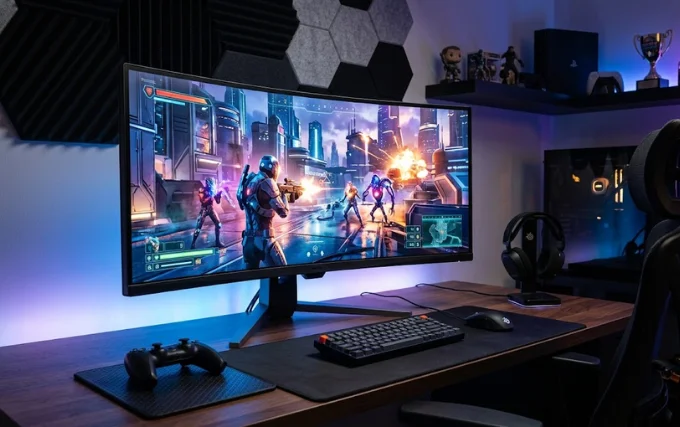
Game Tech Befitnatic | Exploring Gaming Technology, Trends, and Innovation
Introduction
Gaming has grown from a simple form of digital entertainment into a major part of modern technology. Today, video games combine software development, artificial intelligence (AI), powerful hardware, online connectivity, virtual reality, and interactive storytelling. These technologies help developers create more engaging experiences while giving players new ways to explore digital worlds.
Game Tech Befitnatic is a search phrase associated with the Game Tech section of Befitnatic, a website that publishes gaming-related content, how-to guides, updates, and reviews. The phrase is not the name of a specific video game, gaming console, or software product. Instead, it connects readers with information about gaming technology and related topics.
Understanding this topic can help readers explore how modern games work, what technologies are shaping the industry, and why gaming continues to evolve. This guide explains the meaning of Game Tech Befitnatic, important gaming technologies, current trends, and what players should consider when choosing games and gaming equipment.
What Is Game Tech Befitnatic?
Game Tech Befitnatic refers to the gaming technology content associated with Befitnatic’s Game Tech section. The website presents itself as a source of game technology information, gaming guides, and trending insights.
Its content areas include Game Tech, Gaming Topics, Game Updates, How-To Guides, Reviews, and Roblox. These sections cover different aspects of gaming, from general industry discussions to practical information for players.
The term is useful for readers looking for gaming-related articles connected with the Befitnatic website. However, it is important to understand that Befitnatic is a content platform, not a game engine or a gaming device.
In a broader sense, game technology includes the tools, systems, and software that make modern video games possible. These technologies influence graphics, sound, performance, online multiplayer features, and the way players interact with digital environments.

How Technology Is Changing the Gaming Industry
Technology has changed almost every part of gaming. Earlier video games often had simple graphics, limited controls, and basic sound effects. Modern games can feature detailed environments, realistic characters, large online communities, and complex gameplay systems.
Several developments have contributed to this transformation.
1. Better Graphics and Processing Power
Modern graphics processors allow developers to create detailed characters, realistic lighting, and complex environments. High-performance processors also help games handle more activities at the same time.
Technologies such as ray tracing can improve the appearance of lighting, reflections, and shadows in supported games. However, performance depends on the player’s hardware and the game’s optimization.
2. Online Multiplayer Gaming
Internet connectivity has made it possible for players to compete and cooperate across different locations. Online multiplayer games allow people to join teams, communicate, participate in tournaments, and share experiences.
A stable internet connection is important for a smooth experience. Connection speed, server distance, network congestion, and latency can all affect gameplay.
3. Cloud Gaming
Cloud gaming allows supported games to run on remote servers while video and audio are streamed to a player’s device. This can reduce the need for expensive local gaming hardware.
However, cloud gaming depends heavily on internet quality, service availability, subscription terms, and supported devices. It may not provide the same experience in every location.
4. Mobile Gaming
Mobile technology continues to improve through faster processors, better displays, improved batteries, and more responsive controls.
Read More: Hippocratic AI| How Artificial Intelligence Is Transforming Healthcare
Smartphones and tablets have made gaming more accessible. Players can enjoy casual games, competitive titles, puzzles, and multiplayer experiences without purchasing a dedicated console or gaming computer.
Major Gaming Technology Trends
The gaming industry continues to introduce new tools and experiences. Some technologies are already widely used, while others are still developing.
Artificial Intelligence in Gaming
Artificial intelligence helps developers create more responsive and dynamic game experiences. AI can control non-player characters, support decision-making systems, adjust certain gameplay elements, and assist with development tasks.
For example, AI-controlled characters may respond to a player’s actions rather than following only a fixed sequence. This can make some game environments feel more interactive.
AI tools can also assist developers with testing, animation workflows, and other production tasks. However, human creativity, design decisions, and quality testing remain important.
Virtual Reality Gaming
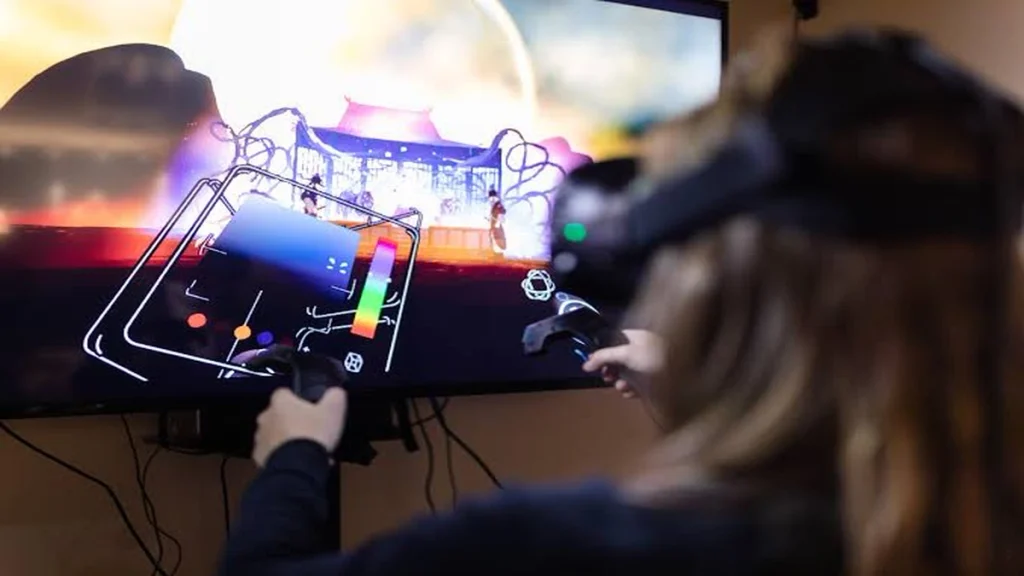
Virtual reality (VR) places players inside computer-generated environments through compatible headsets and controllers.
VR can create immersive experiences in which players look around, move, and interact with digital objects. It is used in entertainment, simulation, training, and educational applications.
The experience depends on headset quality, tracking accuracy, comfort, available games, and hardware requirements. Players should also take breaks if they experience discomfort or motion sickness.
Augmented Reality Gaming
Augmented reality (AR) combines digital elements with views of the real world. Instead of replacing the player’s surroundings, AR adds interactive digital objects to them.
Mobile devices can support some AR experiences through cameras and motion sensors. This technology creates opportunities for location-based games, interactive learning, and new forms of entertainment.
Gaming Accessories and Wearable Devices
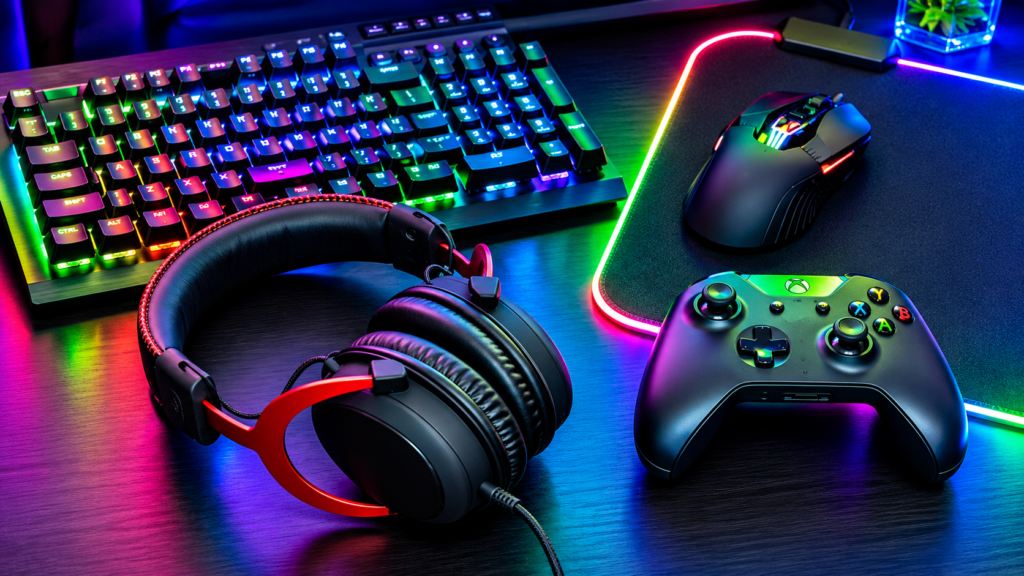
Gaming accessories can improve comfort and control. Examples include mechanical keyboards, gaming mice, controllers, headsets, and specialized displays.
Wearable devices can also connect gaming with physical activity. Fitness-focused games may use motion tracking, sensors, and activity data to encourage movement. The usefulness of these features depends on the accuracy of the device and the design of the experience.
Read More: Ginni Rometty and Evan Spiegel | Two Tech Leaders, One Shared Stage
Why Gaming Hardware Matters
Gaming hardware affects how well a game performs. Players do not always need the most expensive equipment, but they should understand the basic components before making a purchase.
Graphics Processing Unit
A graphics processing unit (GPU) handles much of the visual work in modern games. A more capable GPU can support higher resolutions, improved visual settings, and smoother performance in compatible titles.
Central Processing Unit
The central processing unit (CPU) manages instructions and calculations. It can affect game performance, especially in titles that involve complex simulations, large environments, or many characters.
Memory and Storage
Random access memory (RAM) helps a system manage active tasks. Storage affects loading times and how much space is available for games and updates.
Solid-state drives (SSDs) can provide faster loading than traditional hard drives in many systems.
Display and Audio
A suitable display can improve visual clarity and responsiveness. Refresh rate, resolution, panel quality, and response time are useful specifications to compare.
Headsets and speakers also contribute to the gaming experience by helping players hear dialogue, music, and environmental sounds.
The Role of Game Updates and Software Development
Games are not always finished when they first become available. Developers may release updates to fix bugs, improve performance, adjust gameplay, and introduce new features.
These updates can make a game more stable and enjoyable, but players should understand what each update includes.
Common update types include:
- Bug fixes: Address technical problems and unexpected behavior.
- Performance improvements: Help a game run more efficiently on supported hardware.
- Balance changes: Adjust characters, weapons, abilities, or other gameplay elements.
- New content: Add maps, missions, characters, or game modes.
- Security updates: Address vulnerabilities or other safety concerns.
For accurate information about a particular game’s version, players should check the official developer or publisher website. A general gaming article can explain an update, but official patch notes are the best source for exact technical details.
How to Choose the Right Gaming Technology
Choosing gaming equipment or software depends on personal needs, budget, and the games a person wants to play.
Consider these factors before making a decision:
- Check game requirements: Review the minimum and recommended system requirements.
- Set a realistic budget: Include accessories and possible upgrades.
- Compare performance: Look for reliable benchmarks for the games you play.
- Consider comfort: Choose suitable controllers, keyboards, displays, and headsets.
- Review compatibility: Confirm that devices and accessories work with your platform.
- Check support: Consider warranty terms, software updates, and customer support.
Avoid purchasing equipment based only on marketing claims. Independent testing and detailed product specifications can help you make a better decision.
Gaming Safety, Privacy, and Responsible Play
Technology makes gaming more connected, but online activity also creates responsibilities.
Players should use strong, unique passwords and enable two-factor authentication when available. They should avoid sharing personal information with strangers and be careful with suspicious links, downloads, and unofficial game modifications.
Parents and guardians can review age ratings, privacy settings, communication controls, and in-game purchasing options when children play online.
Responsible gaming also includes taking regular breaks, maintaining a healthy sleep routine, and balancing screen time with other activities. Gaming should remain an enjoyable part of life rather than interfering with everyday responsibilities.
What Is the Future of Gaming Technology?
The future of gaming will likely involve further improvements in graphics, artificial intelligence, cloud infrastructure, accessibility, and interactive experiences.
AI may help developers create more responsive characters and assist with game production. Cloud technology could make certain games available on a wider range of devices, depending on network infrastructure and service availability.
Virtual and augmented reality may also develop through better displays, improved tracking, and more comfortable hardware. At the same time, traditional PC, console, and mobile gaming will continue to serve large audiences.
Another important area is accessibility. Customizable controls, subtitles, visual options, and assistive features can help more people enjoy games.
These developments are not guaranteed to appear everywhere at the same speed. Their adoption will depend on cost, technical progress, developer support, and player demand.
How Game Tech Befitnatic Can Help Readers Explore Gaming Topics
A gaming information website can help readers understand unfamiliar terms, follow industry discussions, and discover practical guides. Befitnatic’s Game Tech section is one place where visitors can explore gaming-related articles.
Readers can use such content to learn about gaming trends, technology concepts, and general industry developments. They should still compare important technical information with official documentation, developer announcements, and independent product testing.
For beginners, the most useful approach is to start with a clear question. For example, a reader might want to understand how VR works, what makes a gaming monitor suitable, or why a game requires a particular hardware specification.
Finding answers to specific questions makes technology content easier to understand and more useful in real situations.
(FAQs)
1. What is Game Tech Befitnatic?
Game Tech Befitnatic is a search phrase associated with the Game Tech section of Befitnatic, a website that publishes gaming technology articles, guides, updates, and related content.
2. Is Game Tech Befitnatic a video game?
No. The phrase does not identify a specific video game. It refers to gaming technology content associated with the Befitnatic website.
3. What topics are covered by gaming technology?
Gaming technology includes graphics processing, game engines, artificial intelligence, virtual reality, cloud gaming, online multiplayer systems, mobile gaming, and gaming hardware.
4. How does AI improve video games?
AI can help control non-player characters, support adaptive gameplay systems, and assist developers with testing and production. Its exact role depends on the game.
5. Is cloud gaming better than traditional gaming?
It depends on the player’s needs. Cloud gaming can reduce hardware requirements, but it relies on a stable internet connection. Traditional gaming can offer more local control and may be better for players with limited connectivity.
6. Why are game updates important?
Updates can fix bugs, improve performance, adjust gameplay balance, and introduce new content. Players should read official patch notes to understand specific changes.
7. What equipment is useful for modern gaming?
Useful equipment may include a suitable computer or console, a compatible display, a controller or keyboard and mouse, and a headset. The best setup depends on the games being played.
8. Where can readers find reliable gaming information?
Readers can explore gaming publications, developer websites, official patch notes, product documentation, and independent hardware reviews. Befitnatic is another website with gaming-related content.
Conclusion
Game Tech Befitnatic connects readers with gaming technology content associated with the Befitnatic website. More broadly, gaming technology covers the hardware, software, networks, and interactive systems that make modern games possible.
From artificial intelligence and virtual reality to cloud gaming and mobile devices, innovation continues to change how people play and experience games. Understanding these developments helps players make informed decisions about gaming platforms, equipment, updates, and online safety.
As the industry develops, readers should look for clear explanations, reliable technical information, and practical advice. By combining general gaming knowledge with official sources, players can better understand the technology behind their favorite digital experiences.
Read Must: LEGO Eye of Sauron | Complete Guide to the Iconic Barad-dûr Set






One Comment